As coffee enjoyers, we're inclined to always think of the more pleasing part of the coffeemaking journey: the aromatic, flavourful end product. But what about the other side of things? The waste that is produced when making these drinks?
Not so pleasant, right?
What are the steps that our espresso machines are taking to ensure that there is reduced waste? What are the ways that we always keep in mind our environmental footprint? Let's take a look at the features and processes that we and our machines have to reduce waste while creating our delicious cups of coffee.
ECO Mode
Espresso machines, especially if they're commercial, can consume more energy than necessary from constantly being on. This is where the useful "ECO mode" comes into play. Featured on products such as the Profitec espresso machines and the Conti espresso machines, ECO mode is used when there is a period of inactivity. Essentially putting your machine into "sleep" mode, the ECO version of the system reduces energy consumption by putting it on standby when it's not needed.
With Conti machines, this can be especially useful. During a slow moment at the café or restaurant, one side of the Conti machine can be put into ECO mode while the other remains operable. While the group head in ECO mode stays at temperature to give more ease when starting it up again, it shuts down functionality to reduce its overall footprint. Having another group still available for staff to use allows the Conti to find a happy medium between using sustainable practices and meeting demands for the business.
JURA Cleaning with Clean Products
JURA makes great coffee. We know this--but what it also does well is remaining committed to using products that are gentle to consumers and the environment. For cleaning products, such as the cleaning tablets used for the superautomatic machines, a phosphate-free formula is used. A build-up of phosphates in nature can cause pollution and harmful effects on ecosystems. JURA's phosphate-free formula results in both less of a negative impact on the environment and the ability to create a pristine, clean interior for machines.
Made by JURA, the cleaning products have always had a commitment to staying environmentally-friendly. With how much we love our JURA coffee here at QCS, we're of better mind knowing that the products we use to clean the machines abide by strict hygiene and eco-friendly standards.
Espresso Machine Servicing
With both our JURA services and other commercial machine services, we help to preserve the lifespan of each machine and ensure its longevity. When things go awry, we work to find a solution and reduce waste of any unnecessary parts.
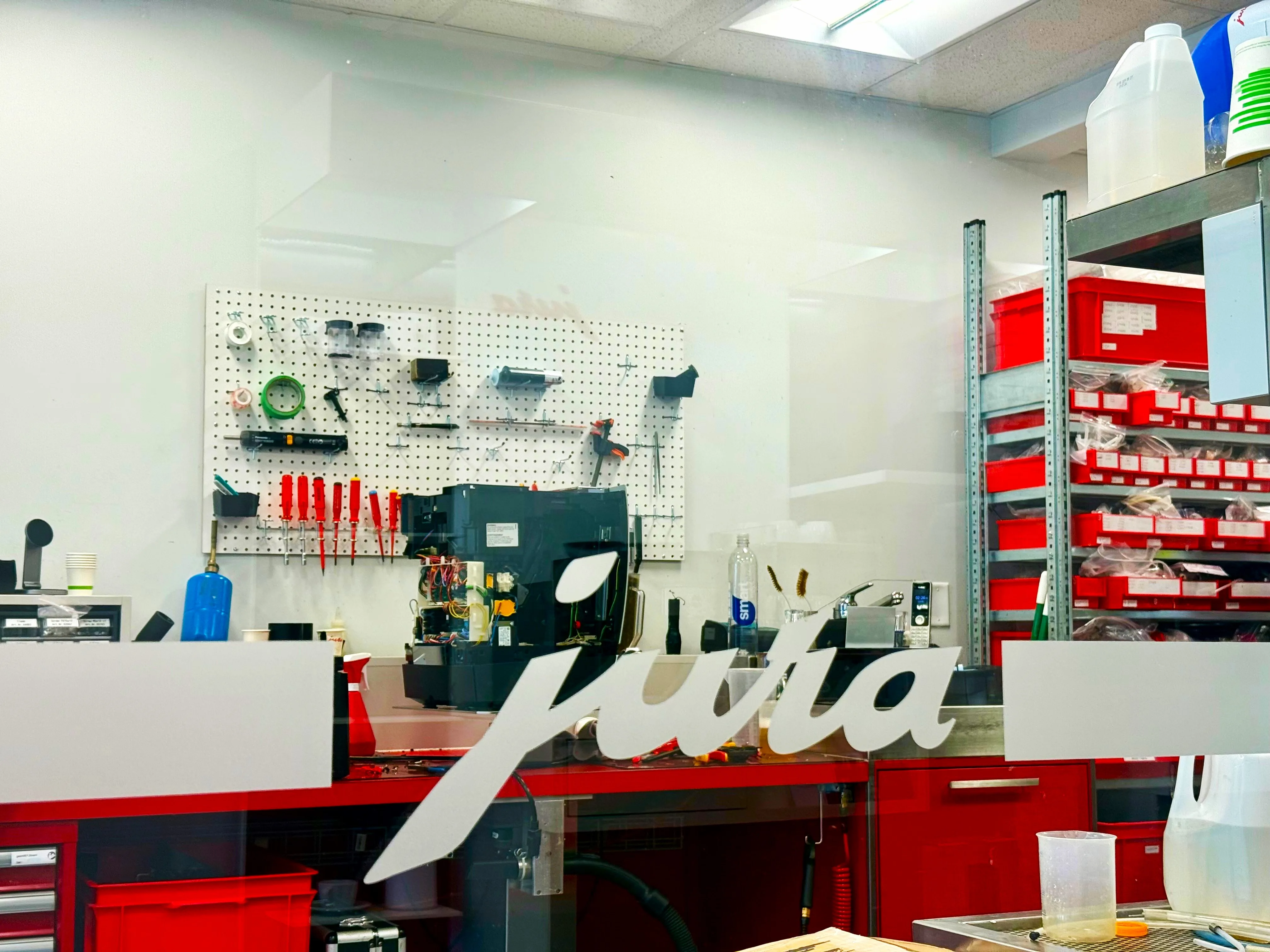
In our JURA Service Centre, not only do we fix machines (both residential and commercial) to tip-top shape, extending their lifespan, but we also refurbish some used machines for a second life. These are refurbished by our expert JURA technicians and put back on the market for a new owner to purchase. Why put to waste what is still ready to serve you premium cups of coffee?
Our model around servicing revolves around giving the customer our best insights and the best possible machine upon return. This includes preventing, as much as possible, any future breakdowns of parts and systems. By doing this, we're also working to prevent the discarding of waste.
Get Creative With Your Grounds
As a bonus, let's throw in something that you can do to be more environmentally-conscious while making coffee.
Used coffee grounds can be repurposed for several different projects. A popular use for them is in gardening, as they can help with the fertilization of certain plants. If you've got a green thumb and also happen to be brewing coffee beans in your kitchen, you can join the two together. Benefit from a thriving garden just by continuing your typical caffeine routine!

Another creative use for used coffee grounds is as a deterrent for bugs. The grounds aren't very inviting to some bugs that might otherwise hang around, such as mosquitos. Where the used coffee can help plants, they can also help you keep unwanted visitors away.
We've got solutions for the outside, but what about the inside? On a self-care night in, consider using coffee grounds as part of an exfoliant. Its natural coarseness allows for a gritty texture, and it also happens to be antibacterial. Win-win!
With all of these parts in play, we make sure that coffee and sustainability are kept in mind together while doing our daily operations. Making quality coffee is top of mind, but so are all of the outputs from our processes. Having our delightful cups of coffee and reducing our footprint are not mutually exclusive--we can focus on doing our best at both.